a note on
12 Bible Verses About Love And Marriage For Newlyweds
The scriptural approach to enduring partnership requires more than poetic recitations at the altar.
penned by Erdi Dogan

Marriage rarely mirrors the pristine theology printed on heavy cardstock wedding invitations. I learned this watching my aunt at her kitchen table in suburban Chicago, 2011, as she crossed out overly romanticized readings for her renewal ceremony in favor of grittier texts. She wanted words that had survived recessions and late-night hospital visits. The ancient texts deliver. Finding spiritual perspectives on romantic commitment means looking past the popular wedding industrial complex. It demands engaging with texts written by people who understood betrayal, famine, and the hard work of daily forgiveness.
The Illusion of Effortless Partnership
Couples often assume biblical romance reads like a Victorian novel. The actual ancient manuscripts present marriage as a working partnership forged in dusty agricultural societies, not a perpetual honeymoon state. It requires grit. This pragmatic worldview demands active participation rather than passive emotional consumption.
"Two are better than one, because they have a good reward for their toil. For if they fall, one will lift up his fellow." — King Solomon (traditionally attributed), Book of Ecclesiastes 4:9-10, c. 3rd Century BCE
Wisdom literature often frames companionship as a necessary survival mechanism against harsh environments rather than mere emotional fulfillment.
"Therefore a man shall leave his father and his mother and hold fast to his wife, and they shall become one flesh." — Moses (traditionally attributed), Book of Genesis 2:24, c. 1400 BCE
The ancient Hebrew concept of holding fast implies an active, sometimes difficult clinging together during storms.
"Set me as a seal upon your heart, as a seal upon your arm, for love is strong as death, jealousy is fierce as the grave." — Solomon (traditionally attributed), Song of Solomon 8:6, c. 900 BCE
This poetic masterpiece acknowledges the dangerous, overwhelming power of exclusivity required in a fully committed bond.
"He who finds a wife finds a good thing and obtains favor from the Lord." — Solomon, Book of Proverbs 18:22, c. 700 BCE
Proverbs consistently treats a stable marriage as the ultimate foundational asset for building a productive, honorable life.
Grounding Vows in Daily Reality
Sustaining a household requires deliberate emotional labor. When modern couples explore the scriptural frameworks shaping household foundations, the biblical emphasis immediately shifts away from the fleeting rush of feeling love toward the concrete discipline of doing love. Action precedes emotion.
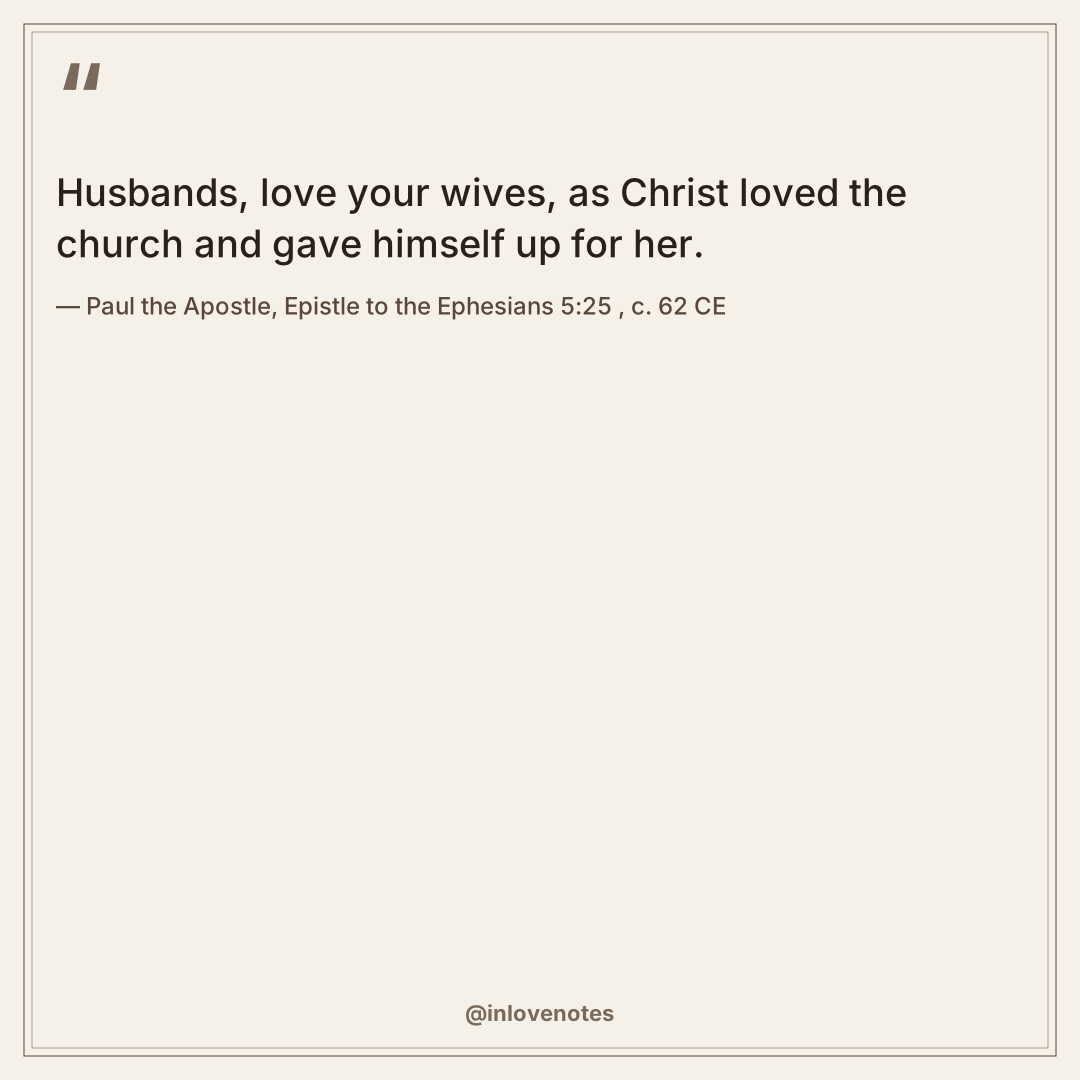
"Husbands, love your wives, as Christ loved the church and gave himself up for her." — Paul the Apostle, Epistle to the Ephesians 5:25, c. 62 CE
Paul elevates the marital duty of husbands from cultural dominance to radical, self-sacrificial service.
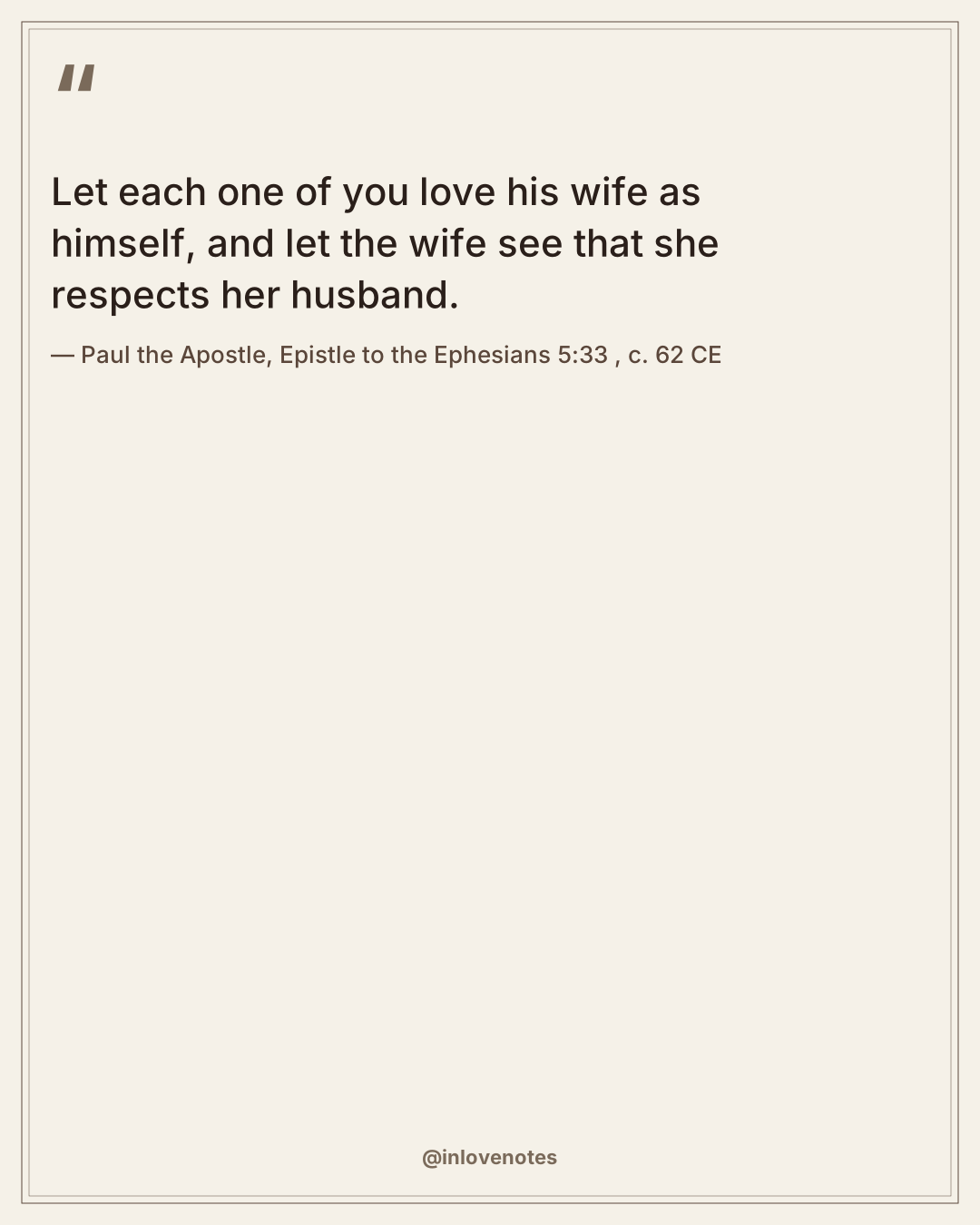
"Let each one of you love his wife as himself, and let the wife see that she respects her husband." — Paul the Apostle, Epistle to the Ephesians 5:33, c. 62 CE
The Greco-Roman household codes are sharply subverted here by demanding mutual emotional investment from both parties.
"Rejoice in the wife of your youth, a lovely deer, a graceful doe." — Solomon, Book of Proverbs 5:18-19, c. 700 BCE
Ancient wisdom actively encourages maintaining physical and romantic delight within the confines of long-term monogamy.
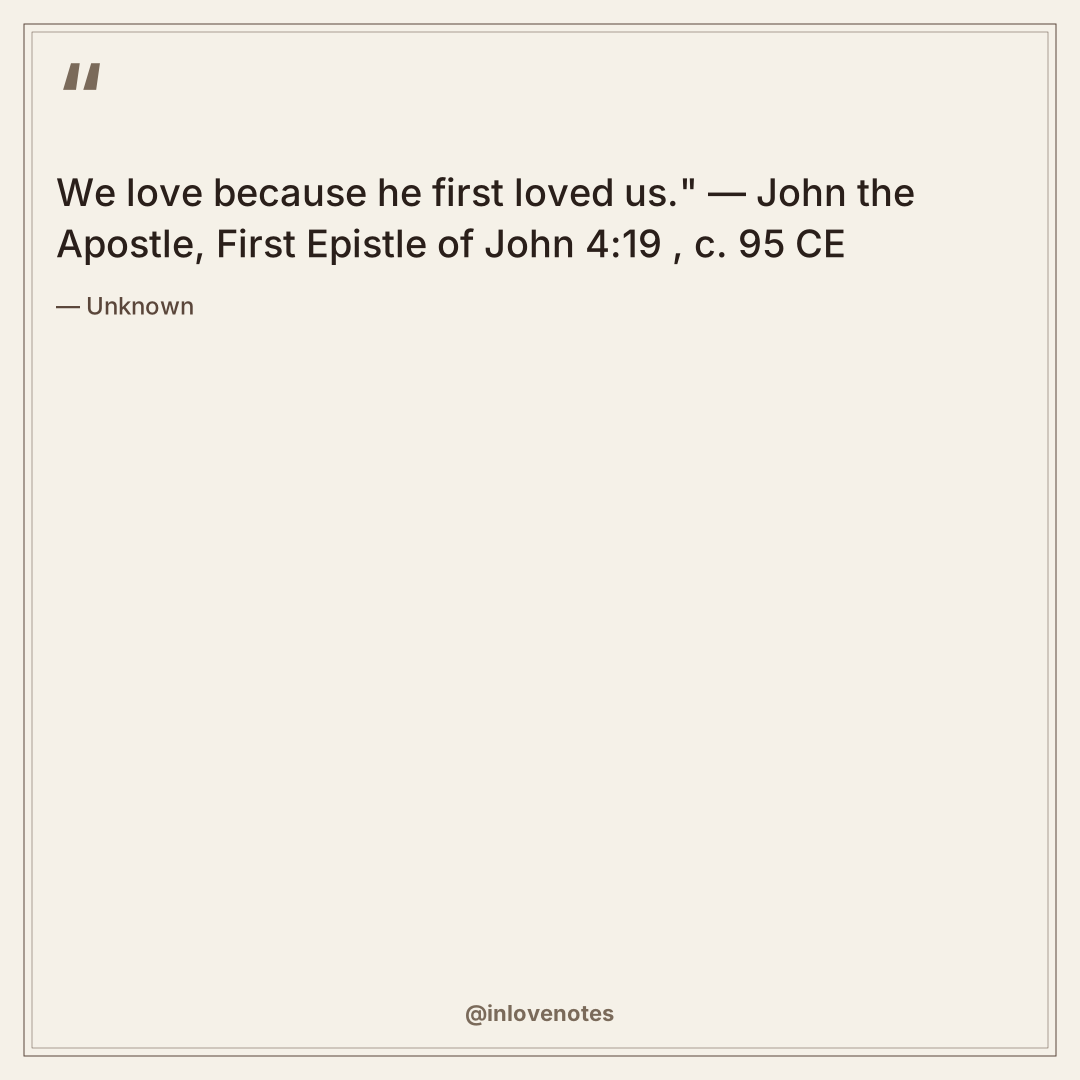
"We love because he first loved us." — John the Apostle, First Epistle of John 4:19, c. 95 CE
While often applied broadly to all believers, this theological premise provides the inexhaustible fuel required for marital forgiveness.
Architecture for the Long Haul
Every lasting relationship needs a constitution. Just as families lean on the specific texts chosen for family leadership to guide parenting, spouses need grounding verses for their private, unseen struggles. Sometimes, the vital task is simply putting genuine affection into physical words to bridge a gap after a bitter argument. Truth matters here.
"What therefore God has joined together, let not man put asunder." — Jesus of Nazareth, Gospel of Mark 10:9, c. 70 CE
This definitive public statement established marriage as a divine architecture rather than a disposable human contract.
"I am my beloved's and my beloved is mine; he grazes among the lilies." — Solomon (traditionally attributed), Song of Solomon 6:3, c. 900 BCE
The lyrical voice of the Shulammite woman expresses absolute mutual belonging without strict hierarchical caveats.
"An excellent wife who can find? She is far more precious than jewels. The heart of her husband trusts in her." — King Lemuel, Book of Proverbs 31:10-11, c. 700 BCE
Trust is explicitly highlighted as the core operational currency of a successful partnership in this ancient alphabetic acrostic.
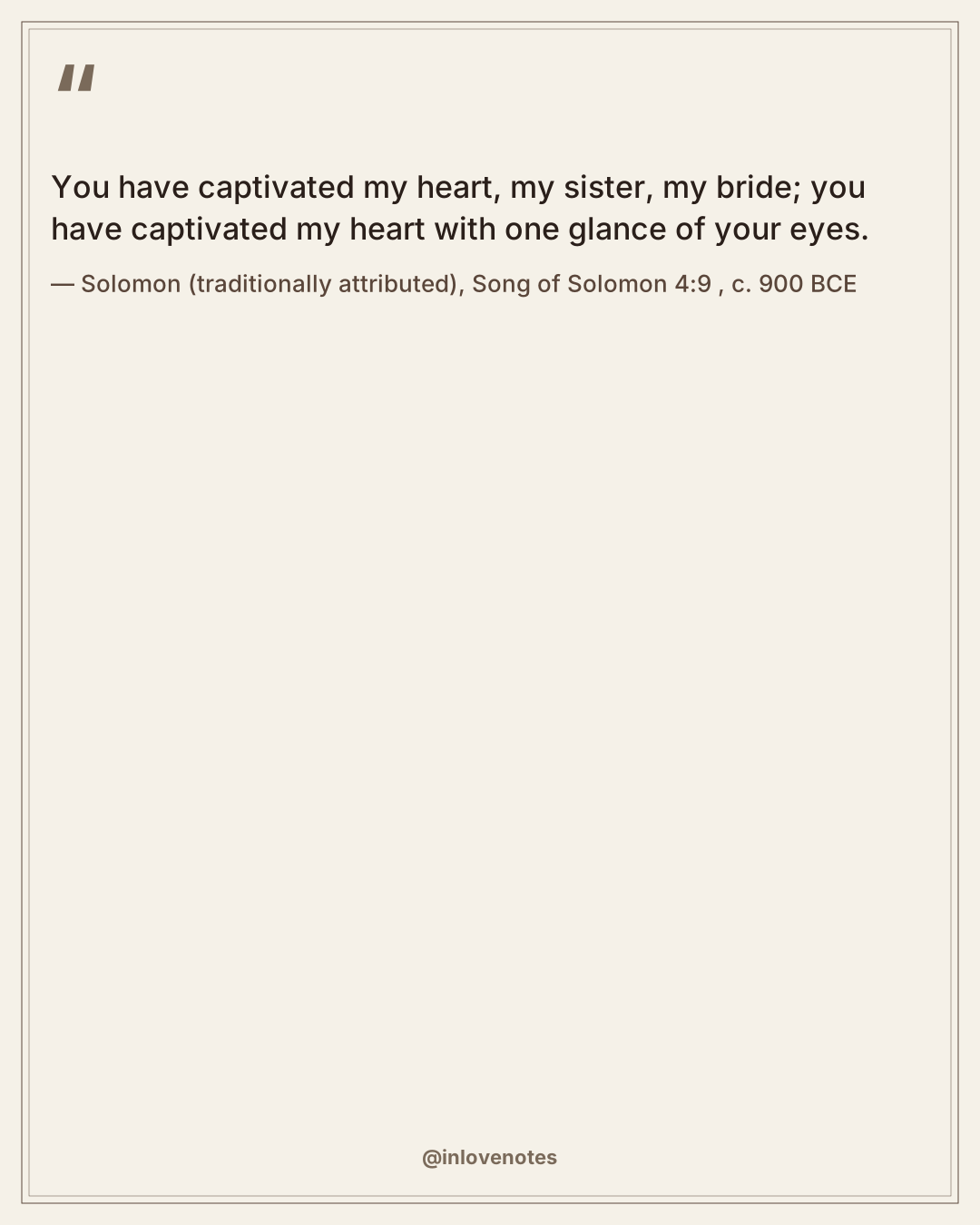
"You have captivated my heart, my sister, my bride; you have captivated my heart with one glance of your eyes." — Solomon (traditionally attributed), Song of Solomon 4:9, c. 900 BCE
The inclusion of such intense romantic longing in the biblical canon validates the profound emotional weight of marital attraction.
Second Looks at Familiar Claims
Popular reading: Biblical marriage was entirely devoid of romance.
On closer look: The entire Song of Solomon exists as a testament to erotic and romantic love. While arranged marriages were the ancient economic norm, the texts frequently celebrate deep emotional and physical devotion between spouses.
Popular reading: Submission verses are about silencing one partner.
On closer look: Historical context reveals that instructions for husbands to give themselves up completely were radically counter-cultural in first-century Rome. The theological framework demands mutual submission and immense sacrifice from the individual holding societal power.
Popular reading: The texts promise a conflict-free life if you marry well.
On closer look: No scriptural author guarantees an easy domestic life. The recurring themes of forgiveness, endurance, and grace specifically exist because ancient writers knew marriage involved merging two deeply flawed human beings.