a note on
Why a Blessing of a Mother Bible Verse Functions as an Anchor
Maternal intercession in ancient texts reveals a distinct architectural framework for endurance and generational survival.
penned by Erdi Dogan

The Architecture of Maternal Intercession
When my aunt in a cramped kitchen in Albany, New York, 1991, read from a worn study Bible during a blackout, the words felt less like comfort and more like an instruction manual. Maternal blessings in ancient scripture rarely traffic in soft sentimentality. They demand endurance. A mother's blessing operates as a transfer of spiritual equity, a quiet but forceful mechanism designed to sustain a family through exile, famine, and societal collapse. Reading these verses requires acknowledging the severe historical realities that necessitated them, a stark contrast to the ancient texts describing early covenant bonds.
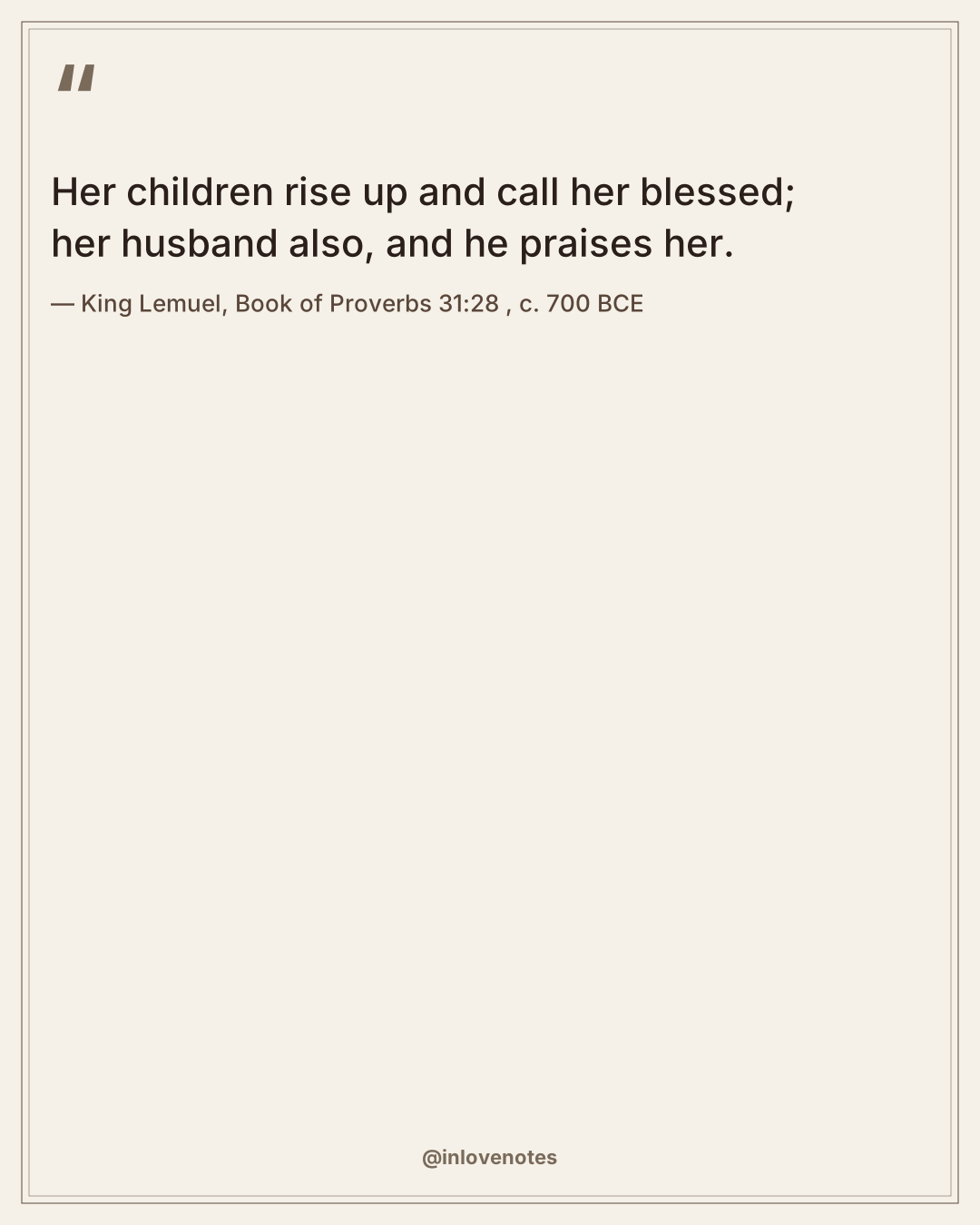
"Her children rise up and call her blessed; her husband also, and he praises her." — King Lemuel, Book of Proverbs 31:28, c. 700 BCE
This ancient proverb positions the mother's blessing not as something she receives passively, but as the inevitable result of her administrative and spiritual labor.
"Blessed are you among women, and blessed is the fruit of your womb!" — Elizabeth, Gospel of Luke 1:42, c. 85 CE
Recorded during a period of immense political instability in first-century Judea, this exclamation serves as a radical public validation of maternal destiny.
Generational Survival Over Sentimental Comfort
These ancient documents do not promise immediate ease for the women who anchor their households. Instead, they outline what ancient matriarchs required to survive under foreign occupation or during forced migrations. The language of blessing acts as a legal and spiritual deed, transferring fortitude from one generation to the next. Modern readers often strip these texts of their grit, preferring softer interpretations over the rigorous demands of actual biblical survival.
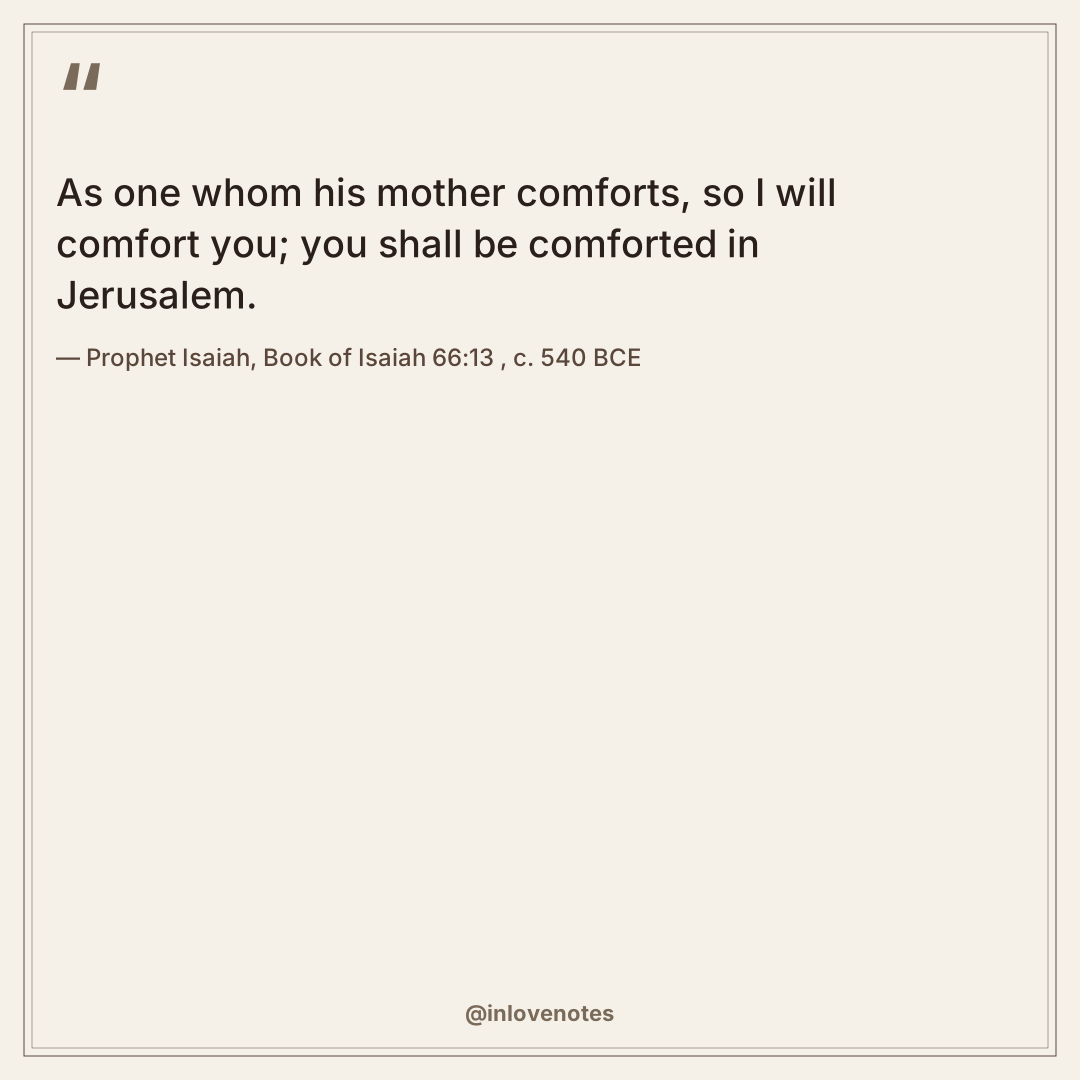
"As one whom his mother comforts, so I will comfort you; you shall be comforted in Jerusalem." — Prophet Isaiah, Book of Isaiah 66:13, c. 540 BCE
Written during the Babylonian exile, this text uses the specific, localized memory of a mother's fierce protection to explain divine intervention to a displaced people.
Maternal blessings ultimately function as a spiritual inheritance rather than a temporary emotional bandage. The ancient texts document a transfer of resilience that outlasts the immediate crisis. They provide an architectural foundation for the generations that follow.
Common Questions, Straight Answers
What defines a maternal blessing in early scripture?
It functions as an active transfer of spiritual authority and protection, rather than a mere expression of affection. The spoken blessing carried legal and communal weight in ancient Near Eastern cultures.
Why do matriarchal verses focus heavily on endurance?
The original audiences lived under constant threat of famine, disease, and imperial conquest. Survival required profound psychological stamina, making endurance the most valuable trait a mother could pass down.
How does the New Testament shift the language of motherhood?
While Old Testament texts often emphasize lineage and physical survival, first-century writings begin positioning mothers as crucial theological anchors within the early church movement.