a note on
Where Do We Find Drive? 7 Bible Verses About Self Motivation
Scripture offers a quiet framework for endurance when the well of personal ambition runs completely dry.
penned by Erdi Dogan

Finding Forward Momentum in Old Texts
Watching the frost melt off the slate roofs in Halifax, Nova Scotia, back in 2007, I realized that getting out of bed required something sturdier than mere caffeine. Willpower operates on a finite battery. When the initial rush of a new project fades, ancient texts often provide the structural integrity needed to keep moving forward. The biblical writers understood exhaustion intimately, framing human effort not as a solitary grind but as a partnered labor. They wrote letters from prison cells and led populations across hostile deserts.
What the text says about care frequently overlaps with how it handles resilience.
Scripture shifts the burden of motivation away from pure ego. It places the focus on service, community, and reliance on a larger design. The verses below address the specific weariness that comes from trying to sustain your own momentum in a vacuum.
How scripture frames personal worth provides a vital counterweight to modern hustle culture.
7 Biblical Directives for Endurance
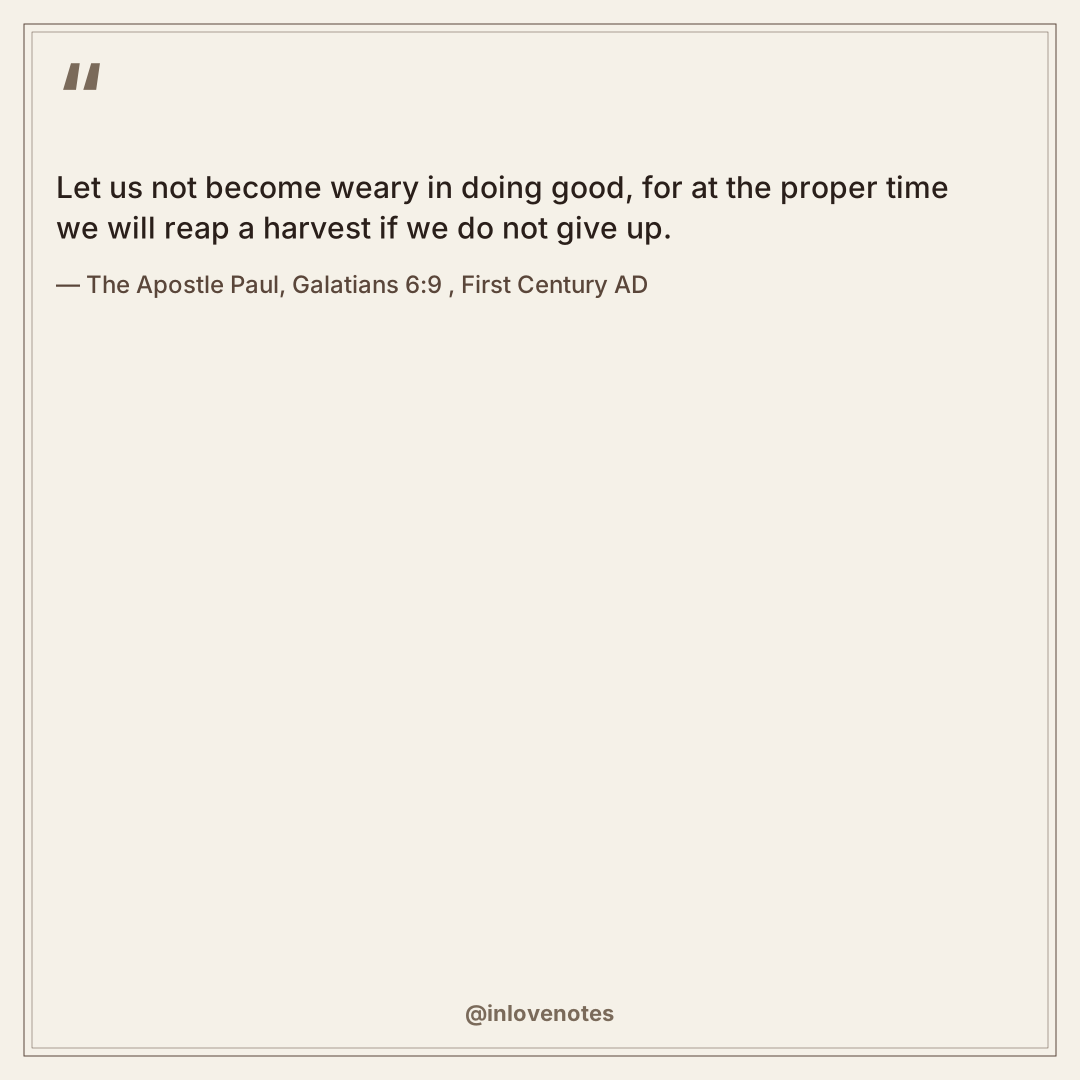
"Let us not become weary in doing good, for at the proper time we will reap a harvest if we do not give up." — The Apostle Paul, Galatians 6:9, First Century AD
Paul wrote this letter to a fledgling community wrestling with burnout and internal divisions. The agricultural metaphor grounds the concept of patience in the physical reality of waiting for crops to grow.
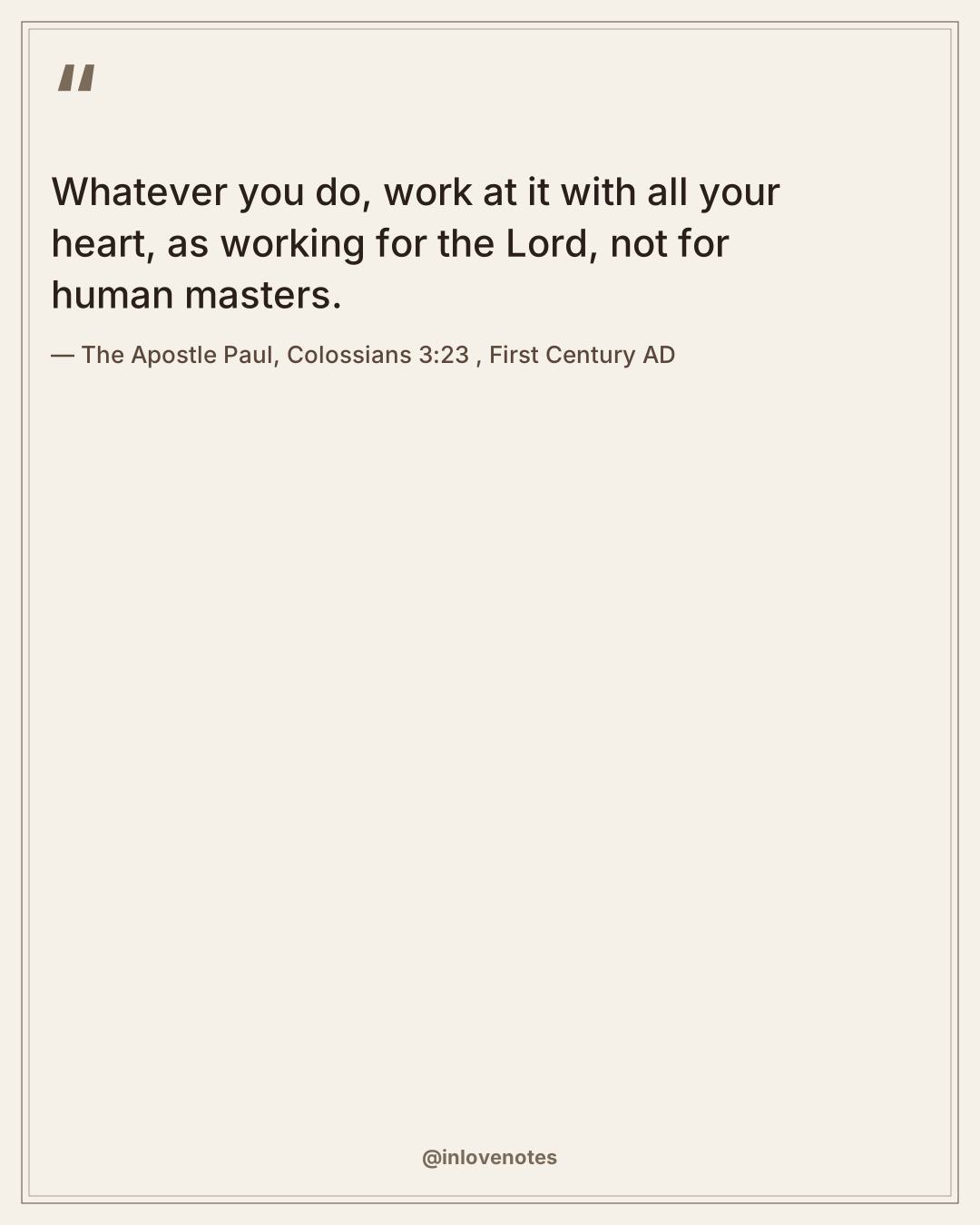
"Whatever you do, work at it with all your heart, as working for the Lord, not for human masters." — The Apostle Paul, Colossians 3:23, First Century AD
This instruction reframes mundane daily labor by changing the ultimate audience of the work. It removes the immediate need for human applause.
Words that ground a restless spirit echo this exact sentiment of finding peace in quiet diligence.
"Commit to the Lord whatever you do, and he will establish your plans." — King Solomon, Proverbs 16:3, 10th Century BC
Solomon emphasizes order and sequence. Action precedes stability, demanding that the worker relinquish control over the final outcome while maintaining the effort.
"But those who hope in the Lord will renew their strength. They will soar on wings like eagles; they will run and not grow weary, they will walk and not be faint." — The Prophet Isaiah, Isaiah 40:31, 8th Century BC
Written to a population facing severe political upheaval, this passage promises endurance in descending stages of intensity. It covers flying, running, and the simple act of walking.
Broader scriptural themes of devotion lean heavily on this promise of sustained energy.
"Have I not commanded you? Be strong and courageous. Do not be afraid; do not be discouraged, for the Lord your God will be with you wherever you go." — Anonymous, Joshua 1:9, 6th Century BC

This transition of leadership from Moses to Joshua occurs right before a massive military and logistical campaign. The command treats courage as a chosen action rather than an inherited feeling.
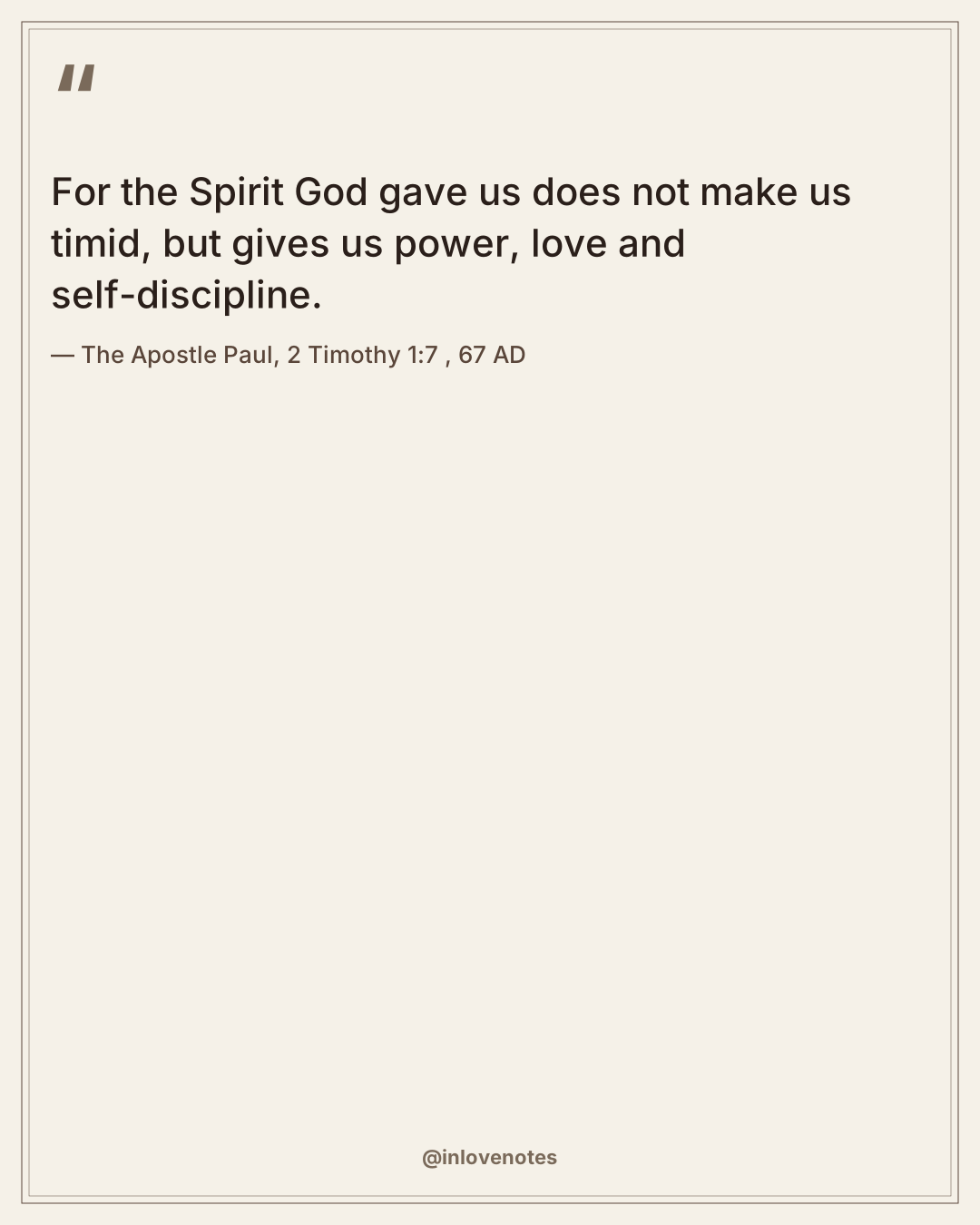
"For the Spirit God gave us does not make us timid, but gives us power, love and self-discipline." — The Apostle Paul, 2 Timothy 1:7, 67 AD
Penned near the end of his life in a Roman prison, Paul reminds his young protégé that discipline is an inherent gift rather than a manufactured trait.
Messages meant for handwritten delivery often capture this same quiet strength.
"I can do all this through him who gives me strength." — The Apostle Paul, Philippians 4:13, 62 AD
Often misapplied to athletic events, this statement was actually written to describe Paul's ability to survive both extreme poverty and sudden wealth without losing his composure.
Common Questions, Straight Answers
Is the concept of self-motivation actually biblical?
Not in the modern sense of pulling yourself up by your bootstraps. The biblical framework replaces autonomous ambition with purpose-driven obedience, emphasizing that true drive originates from external spiritual reliance.
Which verse works best for a difficult workday?
Colossians 3:23 provides the most direct application for daily labor. It immediately alters the power dynamic between you and your immediate supervisor by shifting your internal allegiance.
Why do these verses focus so heavily on weariness?
The original audiences were subsistence farmers, persecuted minorities, and exhausted travelers. The text addresses their physical reality directly rather than offering shallow platitudes about positive thinking.